
In modern agriculture, soil improvement is crucial for sustainable crop production. High - quality ammonium sulfate (caprolactam grade) has emerged as a core tool for soil improvement and crop yield increase. Let's delve into the nitrogen - sulfur synergistic effect principle and understand why it is so important.
The nitrogen - sulfur synergistic effect in ammonium sulfate is the key to its outstanding performance. Nitrogen is an essential element for plant growth, promoting leafy green growth and overall plant vigor. Sulfur, on the other hand, is involved in the synthesis of proteins, enzymes, and vitamins in plants. When nitrogen and sulfur work together, they can rapidly enhance soil fertility and improve crop resistance to diseases and adverse conditions.
According to agricultural research reports, the high - purity nutrients in high - quality ammonium sulfate can increase soil fertility by up to 30% in a short period. This is because the nutrients are quickly absorbed by the soil and plants, providing an immediate boost to growth.
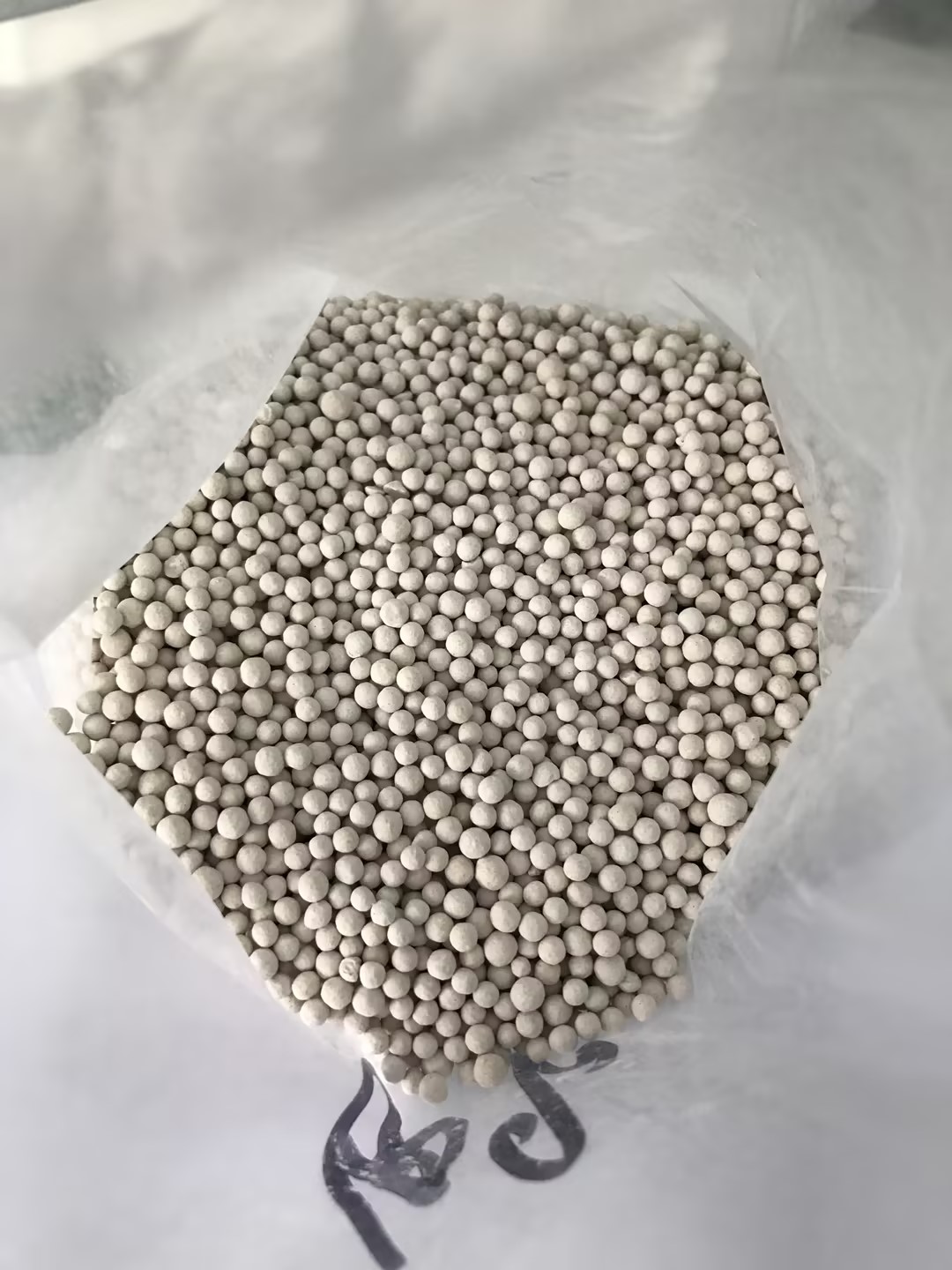
One of the major problems in modern agriculture is soil compaction. Continuous use of some fertilizers can lead to a hardening of the soil structure, reducing water infiltration and root penetration. High - quality ammonium sulfate, with its nitrogen - sulfur synergistic effect, can help alleviate soil compaction. It improves the soil's physical properties, making it looser and more porous.
Disease - prone crops are also a headache for farmers. The enhanced disease - resistance ability provided by ammonium sulfate can reduce the incidence of crop diseases. For example, in wheat fields, the use of ammonium sulfate can reduce the occurrence of rust by about 20%.
The trend in the agricultural industry is moving towards green and efficient fertilization. High - quality ammonium sulfate meets this requirement. Compared with other nitrogen fertilizers, it has several advantages. For instance, some other nitrogen fertilizers may cause excessive vegetative growth at the expense of fruit or grain production. Ammonium sulfate, with its balanced nitrogen - sulfur ratio, promotes both vegetative and reproductive growth.
Let's take a look at a comparison chart:
Fertilizer Type | Soil Improvement | Crop Resistance | Vegetative Growth | Reproductive Growth
Ammonium Sulfate | High | High | Balanced | Balanced
Other Nitrogen Fertilizers | Low | Low | High | Low
When it comes to specific crops, the effects of ammonium sulfate are even more obvious. In wheat production, after using high - quality ammonium sulfate, the yield can increase by about 15%. The wheat plants are taller, have more tillers, and produce larger grains.
In corn fields, the use of ammonium sulfate can improve the corn's resistance to drought and pests. The corn ears are fuller, and the kernels are plumper. Vegetables, such as tomatoes and cucumbers, also benefit from ammonium sulfate. The fruits are more flavorful and have a longer shelf - life.

For farmers, proper field management is essential when using ammonium sulfate. It is recommended to apply the fertilizer at the right time, usually during the key growth stages of the crops. The amount of application should be based on the soil type, crop type, and growth stage.
Quality control is also crucial. High - quality ammonium sulfate should meet certain standards. For example, the purity should be above 98%, and the water - solubility should be high to ensure easy absorption by plants.
Whether you are a farmer aiming for stable and high yields or a professional in the sustainable agriculture field, high - quality ammonium sulfate can be your best choice. It allows every grain of fertilizer to发挥 its maximum value. Explore the power of high - quality ammonium sulfate for your crops now!
 233
|
233
|
 high purity ammonium sulfate
soil improvement
crop disease resistance
sulfur fertilizer
nitrogen-rich fertilizer
high purity ammonium sulfate
soil improvement
crop disease resistance
sulfur fertilizer
nitrogen-rich fertilizer
 111
|
Ammonium sulfate caprolactam grade
Nitrogen fertilizer water solubility
Soil improvement
Crop stress resistance
Agricultural nutrient management
111
|
Ammonium sulfate caprolactam grade
Nitrogen fertilizer water solubility
Soil improvement
Crop stress resistance
Agricultural nutrient management
.jpg?x-oss-process=image/resize,h_600,m_lfit/format,webp) 328
|
high-quality ammonium sulfate
nitrogen fertilizer benefits
sulfur-rich fertilizers
water-soluble nitrogen
soil health improvement
263
|
ammonium sulfate caprolactam grade
high-nitrogen fertilizer
crop nutrient absorption
soil fertility improvement
agricultural yield optimization
328
|
high-quality ammonium sulfate
nitrogen fertilizer benefits
sulfur-rich fertilizers
water-soluble nitrogen
soil health improvement
263
|
ammonium sulfate caprolactam grade
high-nitrogen fertilizer
crop nutrient absorption
soil fertility improvement
agricultural yield optimization
 288
|
high purity sulfate ammonium
caprolactam grade ammonium sulfate
nitrogen-sulfur fertilizer
soil fertility improvement
crop yield enhancement
288
|
high purity sulfate ammonium
caprolactam grade ammonium sulfate
nitrogen-sulfur fertilizer
soil fertility improvement
crop yield enhancement
.jpg?x-oss-process=image/resize,h_600,m_lfit/format,webp)





.jpg?x-oss-process=image/resize,h_600,m_lfit/format,webp)



.jpg?x-oss-process=image/resize,h_600,m_lfit/format,webp)