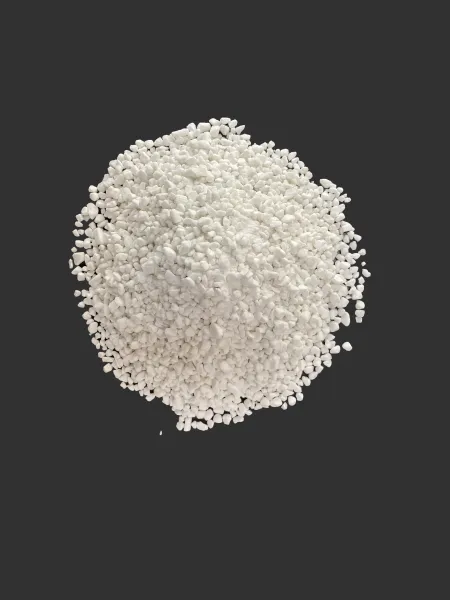
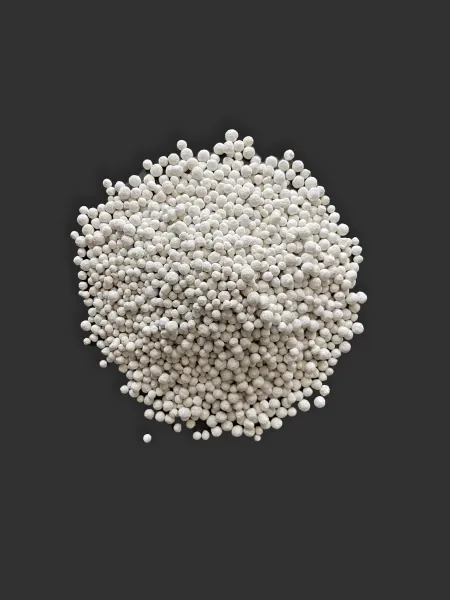
In a recent field trial conducted across 120 hectares in the semi-arid region of Kansas, U.S., farmers using high-purity ammonium sulfate saw a measurable improvement in both soil structure and crop performance—especially under stress conditions like drought and fungal disease pressure.
Nitrogen (N) and sulfur (S) work synergistically—not just as nutrients but as soil enhancers. When applied correctly, this combination boosts microbial activity, improves cation exchange capacity (CEC), and strengthens plant cell walls.
With global food demand projected to rise by 50% by 2050 (FAO, 2023), optimizing nutrient use efficiency is no longer optional—it’s essential. Unlike conventional nitrogen fertilizers that may leach quickly or cause salinity issues, our high-purity ammonium sulfate delivers water-soluble N and S in balanced ratios (21% N, 24% S), ensuring minimal waste and maximum uptake.
| Parameter | Before Application | After 6 Weeks |
|---|---|---|
| Soil pH Stability | 6.2–6.8 | 6.5–7.0 |
| Root Biomass Increase | Baseline | +37% (measured via root washing) |
| Disease Incidence Reduction | ~22% | ~11% (foliar blight & root rot) |
In a controlled experiment with wheat crops in Poland, researchers found that plots treated with high-purity ammonium sulfate had significantly better grain filling rates during late summer heatwaves compared to those using urea-based alternatives. The key? Sulfur's role in synthesizing amino acids and antioxidants that protect plants from oxidative stress.
The same study noted a 15% increase in yield per hectare over two growing seasons when the product was integrated into a precision irrigation system—a win-win for sustainability and productivity.
“It’s not just about feeding the crop—it’s about building resilient soils that can support future generations.”
— Dr. Lena Müller, Agronomy Lead, EU AgriTech Institute
For growers looking to move beyond basic fertilization, this isn’t just another input—it’s a strategic tool for long-term farm viability. Whether you're managing smallholder plots or large-scale operations, understanding how nitrogen and sulfur interact at the soil-root interface is critical.
If your goal is to reduce input costs while increasing resilience and yield stability, it’s time to consider what science has already proven: pure, targeted nutrition changes everything.
Download Our Free Guide: "Soil Health Optimization Through Precision Nutrient Management"





.jpg?x-oss-process=image/resize,h_600,m_lfit/format,webp)

.jpg?x-oss-process=image/resize,h_600,m_lfit/format,webp)